Top Cultural Festivals in Spain You Can't Miss
Spain is a country rich in culture, history, and tradition, making it a vibrant destination for travelers seeking unique experiences. One of the best ways to immerse yourself in Spanish culture is by attending its numerous festivals. From colorful parades to traditional music and dance, these events showcase the heart and soul of Spain. In this blog post, we will explore some of the top cultural festivals in Spain that you simply cannot miss.

La Tomatina: The World’s Biggest Food Fight
La Tomatina is held annually in the town of Buñol, near Valencia. This festival takes place on the last Wednesday of August and is famous for its massive tomato fight.
History of La Tomatina
The origins of La Tomatina are somewhat unclear, but it is believed to have started in 1945 when a group of young people began throwing tomatoes at each other during a local festival. Over the years, this playful act evolved into a full-blown event, attracting thousands of participants from around the world.
What to Expect
Tomato Fight: The main event involves participants throwing overripe tomatoes at each other for about an hour.
Music and Dance: The festival is accompanied by live music, dancing, and street parties.
Local Cuisine: Enjoy traditional Spanish dishes in the surrounding food stalls.
Tips for Attending
Wear Old Clothes: You will get messy, so don’t wear anything you care about.
Stay Hydrated: It can get hot, so drink plenty of water.
Arrive Early: To secure a good spot, arrive early in the day.
San Fermín: The Running of the Bulls
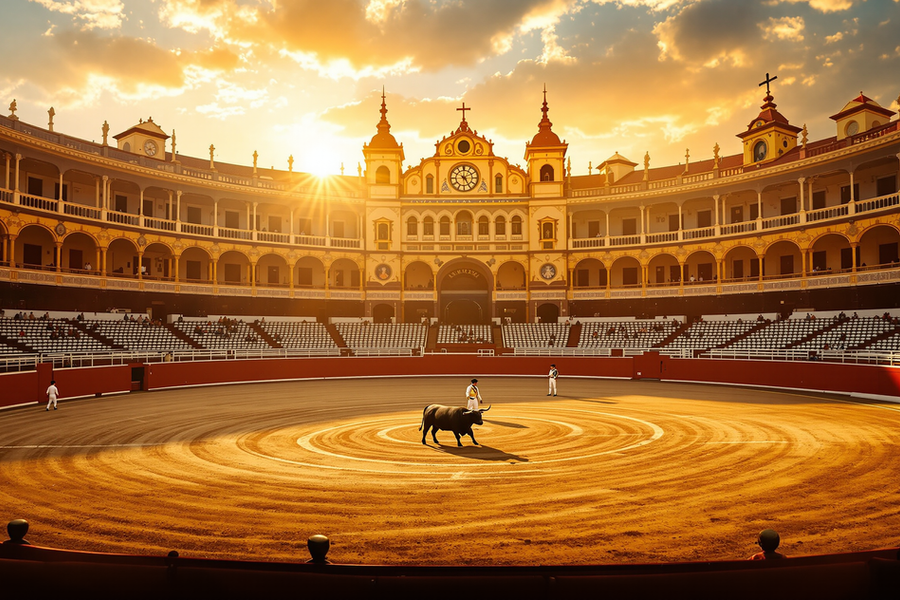
San Fermín is one of Spain's most famous festivals, held in Pamplona from July 6 to July 14. This festival is best known for the running of the bulls, where participants run in front of a group of bulls that are let loose on the streets.
History of San Fermín
The festival dates back to the 13th century and honors Saint Fermín, the patron saint of Pamplona. The running of the bulls has become a symbol of the festival, drawing thousands of thrill-seekers each year.
What to Expect
Running of the Bulls: Each morning, brave participants run alongside the bulls for approximately 825 meters.
Traditional Music: Enjoy the sounds of traditional Spanish music throughout the city.
Fireworks: The festival kicks off with a spectacular fireworks display.
Tips for Attending
Safety First: If you plan to run, be aware of the risks and know the route.
Dress Appropriately: Wear comfortable shoes and white clothing with a red scarf, which is the traditional attire.
Plan Ahead: Book accommodations early, as the city fills up quickly.
Feria de Abril: The April Fair in Seville
The Feria de Abril, or April Fair, is a week-long celebration held in Seville, typically two weeks after Easter. This festival is a vibrant display of Andalusian culture, featuring flamenco dancing, traditional costumes, and delicious food.
History of Feria de Abril
The fair began in 1847 as a livestock market and has since transformed into a grand celebration of Seville's culture. Today, it attracts locals and tourists alike, eager to experience the lively atmosphere.
What to Expect
Casetas: These are decorated tents where families and friends gather to eat, drink, and dance.
Flamenco Shows: Experience the passion of flamenco dancing and music throughout the fairgrounds.
Traditional Cuisine: Savor local dishes such as tapas, paella, and churros.
Tips for Attending
Dress Up: Many attendees wear traditional flamenco dresses or suits.
Stay Late: The party continues into the early hours, so don’t miss the late-night festivities.
Explore the City: Take some time to explore Seville’s beautiful architecture and history.
La Feria de Málaga: A Celebration of Culture
La Feria de Málaga is another significant festival in Spain, celebrated in August. This week-long event honors the city’s patron saint, Our Lady of Victory, and showcases the rich cultural heritage of Málaga.
History of La Feria de Málaga
The festival dates back to the 15th century, celebrating the reconquest of Málaga from the Moors. Over the years, it has evolved into a lively event filled with music, dance, and local traditions.
What to Expect
Day and Night Celebrations: The festival features daytime activities in the city center and nighttime parties at the fairgrounds.
Live Music: Enjoy performances from local bands and artists, including traditional flamenco.
Food and Drink: Sample local wines and traditional dishes at various food stalls.
Tips for Attending
Plan Your Schedule: Check the festival program to catch your favorite events.
Stay Safe: Keep an eye on your belongings, especially in crowded areas.
Enjoy the Local Culture: Engage with locals to learn more about the traditions and history of the festival.
Las Fallas: A Fiery Celebration
Las Fallas is a unique festival held in Valencia from March 15 to March 19, celebrating the arrival of spring. This event is famous for its elaborate sculptures, fireworks, and the burning of the fallas.
History of Las Fallas
The festival has its roots in the carpenters' tradition of burning old wood and scraps to welcome spring. Over time, this evolved into the creation of large, intricate sculptures that are displayed throughout the city.
What to Expect
Ninots: These are the large sculptures made of wood and papier-mâché, often depicting satirical scenes.
Fireworks Displays: Enjoy spectacular fireworks shows throughout the festival.
Traditional Parades: Witness colorful parades featuring traditional costumes and music.
Tips for Attending
Arrive Early: To see the ninots before they are burned, arrive early in the festival.
Stay Hydrated: March can be warm, so drink plenty of water.
Participate in the Traditions: Join in the festivities by wearing traditional Valencian attire.
Conclusion
Spain's cultural festivals offer a unique glimpse into the country's rich traditions and vibrant communities. From the exhilarating tomato fights of La Tomatina to the fiery celebrations of Las Fallas, each festival provides an unforgettable experience.
Whether you are a thrill-seeker, a foodie, or a culture enthusiast, there is something for everyone in these lively celebrations. So, pack your bags and get ready to immerse yourself in the top cultural festivals in Spain that you simply cannot miss!

Comments