Exploring Spain's Vibrant Art Scene
Spain is a country that pulses with creativity, where art is woven into the fabric of everyday life. From the stunning architecture of Antoni Gaudí to the masterpieces of Pablo Picasso, the Spanish art scene is as diverse as it is rich. This blog post will take you on a journey through Spain's vibrant art landscape, exploring its historical roots, contemporary movements, and the cultural significance of art in Spanish society.
The Historical Foundations of Spanish Art
Spain's art scene has deep historical roots that date back to ancient times. The influence of various cultures, including the Romans, Moors, and Christians, has shaped the country's artistic expression.
Roman and Moorish Influences
The Romans left an indelible mark on Spain, evident in the ruins of cities like Mérida and Tarragona. These sites showcase intricate mosaics and grand structures that reflect Roman engineering prowess.
The Moorish influence is particularly notable in southern Spain, where the Alhambra in Granada stands as a testament to Islamic art and architecture. The intricate tile work, calligraphy, and gardens of the Alhambra exemplify the beauty of Moorish design.
The Golden Age of Spanish Painting
The 16th and 17th centuries marked the Golden Age of Spanish painting, producing some of the most celebrated artists in history.
Diego Velázquez: Known for his masterful use of light and shadow, Velázquez's works, such as "Las Meninas," continue to captivate audiences today.
Francisco Goya: Goya's paintings often reflected the social and political turmoil of his time, with works like "The Third of May 1808" serving as powerful commentaries on war and suffering.
These artists laid the groundwork for future generations, influencing movements that would emerge in the 19th and 20th centuries.
The Modern Art Movement in Spain
As the world transitioned into the modern era, Spain experienced a surge of artistic innovation. The early 20th century saw the rise of avant-garde movements that challenged traditional norms.
Surrealism and the Influence of Salvador Dalí
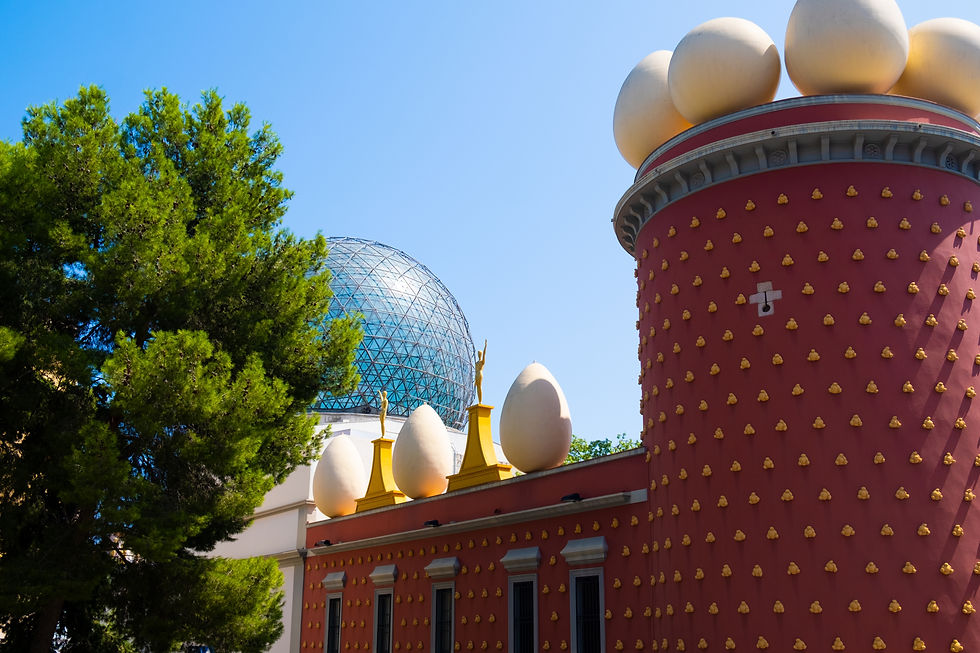
Salvador Dalí emerged as one of the most iconic figures of the Surrealist movement. His dreamlike imagery and eccentric personality made him a household name.
The Persistence of Memory: This iconic painting, featuring melting clocks, invites viewers to question the nature of time and reality. Dalí's work continues to inspire artists and thinkers alike.
The Impact of Pablo Picasso
Pablo Picasso is perhaps the most influential artist of the 20th century. His innovative approach to form and perspective revolutionized the art world.
Cubism: Alongside Georges Braque, Picasso co-founded the Cubist movement, which fragmented objects into geometric shapes. Works like "Les Demoiselles d'Avignon" challenged conventional representation and paved the way for modern art.

Contemporary Art in Spain
Today, Spain's art scene is thriving, with contemporary artists pushing boundaries and exploring new mediums. The country is home to numerous galleries, museums, and art festivals that celebrate innovation and creativity.
The Role of Art in Urban Spaces
Street art has become a significant aspect of Spain's contemporary art scene. Cities like Barcelona and Madrid are adorned with murals that reflect social issues, cultural identity, and personal expression.
Artists like Blu and Okuda: These street artists have gained international recognition for their large-scale murals that blend vibrant colors with thought-provoking themes.
The Influence of Art Festivals
Spain hosts a variety of art festivals that showcase both established and emerging artists. Events like ARCOmadrid and the Barcelona Art Fair attract art enthusiasts from around the globe.
ARCOmadrid: This international contemporary art fair features galleries from around the world, providing a platform for artists to exhibit their work and connect with collectors.
The Cultural Significance of Art in Spain
Art in Spain is not just about aesthetics; it plays a crucial role in shaping cultural identity and fostering community.
Art as a Reflection of Society
Spanish artists often use their work to comment on social and political issues. For example, the works of contemporary artist Marta Minujín address themes of freedom and censorship, reflecting the country's complex history.
The Importance of Art Education
Art education is highly valued in Spain, with numerous institutions dedicated to nurturing the next generation of artists. Schools and universities offer programs that encourage creativity and critical thinking.
Instituto Europeo di Design (IED): This renowned institution provides courses in design, fashion, and visual arts, helping students develop their artistic skills and professional networks.
Conclusion: The Future of Spain's Art Scene
Spain's art scene is a dynamic tapestry of history, innovation, and cultural expression. As contemporary artists continue to explore new ideas and mediums, the future of Spanish art looks promising.
Whether you are an art enthusiast or a casual observer, immersing yourself in Spain's vibrant art scene offers a unique opportunity to connect with the country's rich cultural heritage. So, the next time you find yourself in Spain, take the time to explore its galleries, museums, and street art. You may just discover a new perspective on this beautiful country and its artistic legacy.

Comments