A Guide to Spain's Rich Artistic Heritage
Spain is a country renowned for its vibrant culture, rich history, and, most importantly, its artistic heritage. From the stunning architecture of Antoni Gaudí to the masterpieces of Pablo Picasso, Spain has produced some of the world's most influential artists and movements. This guide will explore the various facets of Spain's artistic heritage, highlighting key figures, movements, and locations that have shaped its cultural landscape.

The Historical Context of Spanish Art
Understanding Spain's artistic heritage requires a look at its historical context. The country has been influenced by various cultures over the centuries, including the Romans, Moors, and Christians. Each of these cultures has left an indelible mark on Spain's art and architecture.
The Roman Influence
The Romans established cities throughout Spain, bringing with them their architectural styles and artistic techniques. Notable examples include the Roman aqueduct in Segovia and the amphitheater in Mérida. These structures showcase the engineering prowess of the Romans and their ability to blend functionality with beauty.
The Moorish Period
The Moors ruled parts of Spain for nearly 800 years, leaving a profound impact on the country's art and architecture. The Alhambra in Granada is a prime example of Moorish architecture, featuring intricate tile work, stunning gardens, and elaborate stucco decorations. This period also saw the introduction of calligraphy and geometric patterns, which became prominent in Spanish art.
The Renaissance and Baroque Eras
The Renaissance marked a revival of classical ideals and a focus on humanism. Artists like El Greco and Diego Velázquez emerged during this time, producing works that emphasized emotion and realism. Velázquez's Las Meninas is a masterpiece that continues to be studied for its innovative composition and use of light.
The Baroque period followed, characterized by dramatic expressions and grandeur. Artists such as Francisco de Goya pushed the boundaries of traditional art, exploring themes of war, suffering, and human emotion in works like The Third of May 1808.
Key Artistic Movements in Spain
Spain has been home to several significant artistic movements that have shaped its cultural identity. Here are some of the most notable:
Impressionism
While Impressionism originated in France, it found a unique expression in Spain. Artists like Joaquín Sorolla captured the essence of light and color in their works. Sorolla's paintings often depict scenes of everyday life, showcasing the beauty of the Spanish landscape and its people.
Surrealism
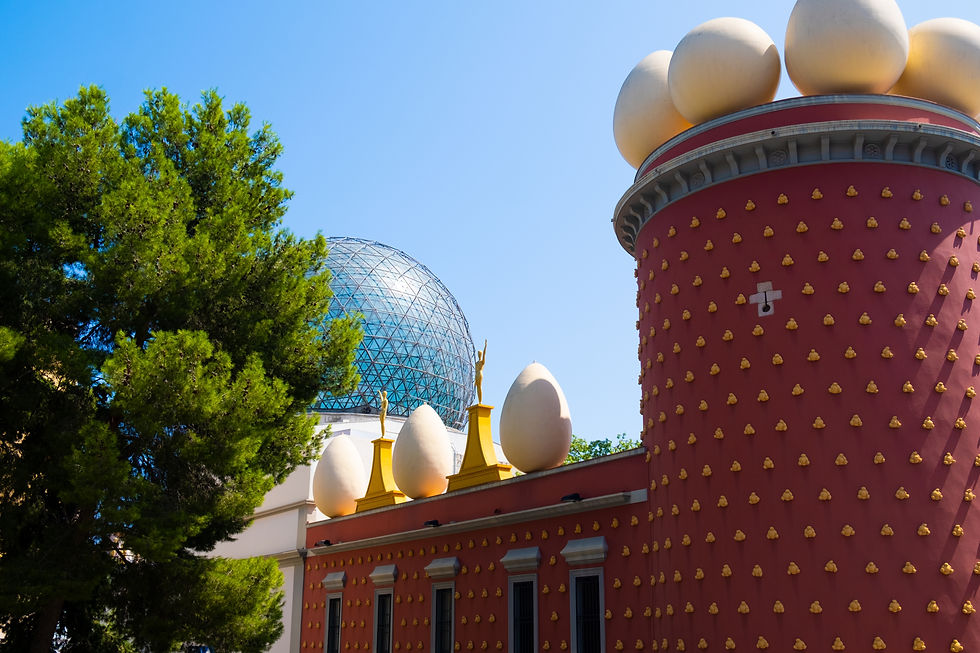
The Surrealist movement gained traction in Spain through the works of Salvador Dalí and Rafael Alberti. Dalí's dreamlike imagery and eccentric style challenged conventional perceptions of reality. His iconic painting, The Persistence of Memory, features melting clocks and distorted landscapes, inviting viewers to explore the subconscious.
Modernism
The Modernist movement in Spain was marked by a break from traditional forms and an embrace of innovation. Antoni Gaudí is perhaps the most famous figure associated with this movement. His architectural masterpieces, such as Casa Batlló and Park Güell, showcase a unique blend of organic shapes and vibrant colors, reflecting his deep connection to nature.
Notable Spanish Artists
Spain has produced a plethora of influential artists whose works have left a lasting impact on the art world. Here are a few key figures:
Pablo Picasso
One of the most celebrated artists of the 20th century, Pablo Picasso co-founded the Cubist movement and revolutionized modern art. His works, such as Guernica, address themes of war and suffering, while his innovative techniques challenged traditional artistic conventions.
Joan Miró
Joan Miró was a prominent figure in the Surrealist movement, known for his whimsical and colorful compositions. His works often incorporate abstract shapes and symbols, inviting viewers to interpret their meanings. Miró's style reflects a deep connection to his Catalan roots and the landscapes of Spain.
Francisco Goya
Francisco Goya is often regarded as the father of modern art. His works span various styles, from the romanticism of The Naked Maja to the dark themes of The Black Paintings. Goya's ability to capture the human experience, both joyful and tragic, has solidified his place in art history.
Iconic Art Locations in Spain
Spain is home to numerous museums, galleries, and architectural wonders that showcase its artistic heritage. Here are some must-visit locations:
The Prado Museum
Located in Madrid, the Prado Museum is one of the world's premier art galleries. It houses an extensive collection of European art, featuring works by masters such as Velázquez, Goya, and Bosch. A visit to the Prado is essential for anyone interested in Spanish art history.
The Guggenheim Museum
In Bilbao, the Guggenheim Museum is a modern architectural marvel designed by Frank Gehry. The museum is dedicated to contemporary art and features works by artists like Jeff Koons and Richard Serra. Its innovative design and dynamic exhibitions make it a highlight of Spain's artistic landscape.
The Picasso Museum
Situated in Barcelona, the Picasso Museum is dedicated to the works of Pablo Picasso. It showcases an extensive collection of his early works, providing insight into the artist's development and creative process. The museum is a testament to Picasso's enduring legacy in Spain.
The Influence of Spanish Art on Global Culture
Spain's artistic heritage has not only shaped its own culture but has also influenced artists and movements worldwide. The techniques and styles developed by Spanish artists have been adopted and adapted by countless creators across the globe.
Impact on Modern Art
The innovations of Spanish artists like Picasso and Miró have had a profound impact on modern art movements. Their exploration of abstraction and new forms of expression paved the way for future generations of artists to experiment with their own styles.
Cultural Exchange
Spain's rich artistic heritage has fostered cultural exchange with other countries. The influence of Spanish art can be seen in Latin American art, where artists draw inspiration from Spain's vibrant colors and themes. This connection highlights the importance of Spain as a cultural bridge between Europe and the Americas.
Conclusion
Spain's artistic heritage is a treasure trove of creativity, innovation, and cultural significance. From the historical influences of the Romans and Moors to the groundbreaking works of modern artists, Spain has a rich tapestry of artistic expression. By exploring its key figures, movements, and locations, one can gain a deeper appreciation for the country's contributions to the world of art.
As you embark on your journey through Spain's artistic landscape, consider visiting its iconic museums and landmarks. Engage with the works of its master artists and immerse yourself in the vibrant culture that continues to inspire creativity around the globe.

Comments